

Serving Georgia's Strongest Industry Since 1966
The Georgia Agribusiness Council is the state's leading trade association for agribusiness interests.
Learn more about the Georgia Agribusiness Council, see member stories, and discover legislative highlights below.

GAC's Work
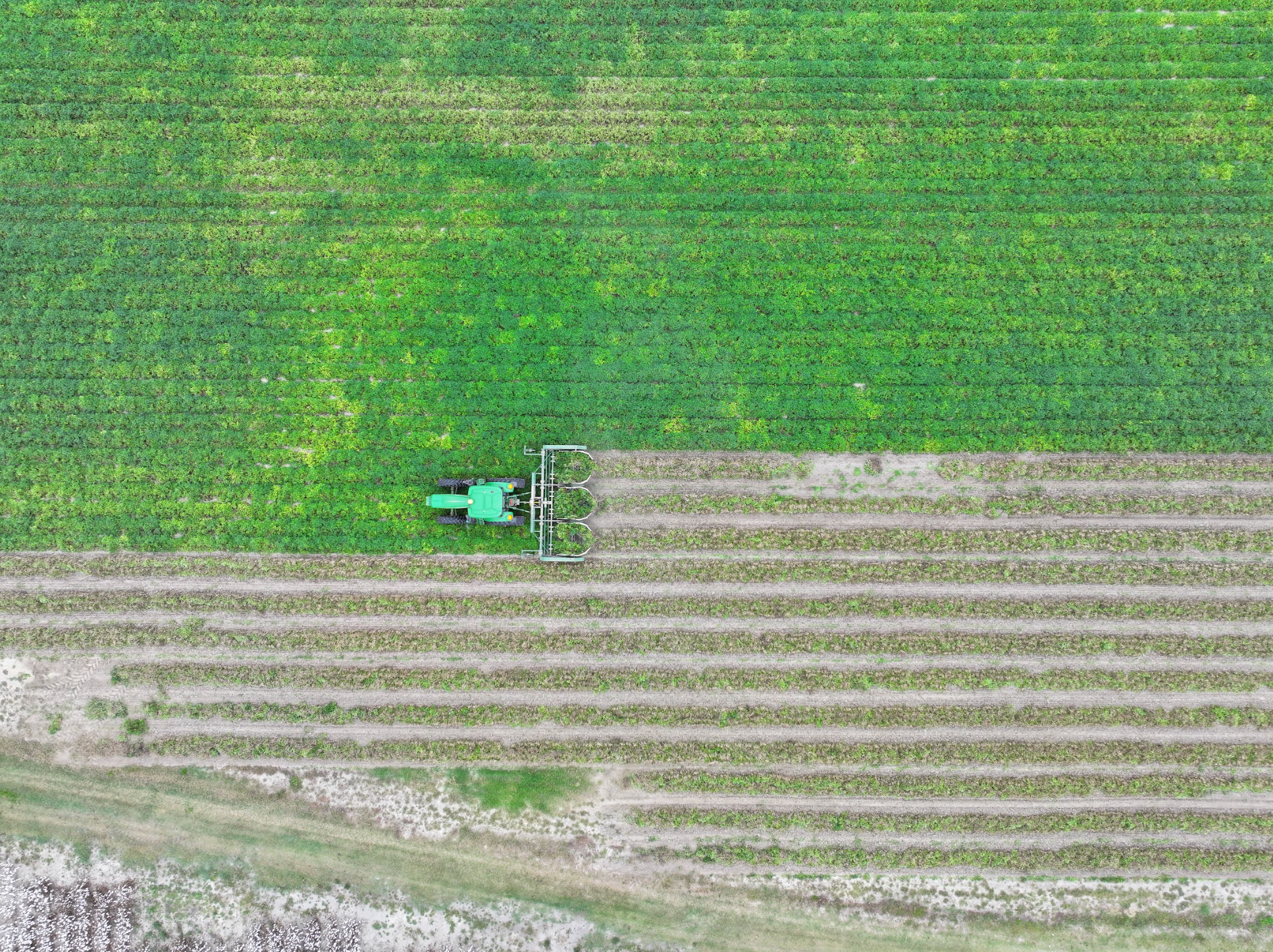
The Georgia Agribusiness Council is dedicated to defending and supporting the state's largest industry.
- Represent the Agribusiness Industry in the Legislative Arena
- Provide Economic Services to Members
- Promote Agribusiness Development
- Promote Ag Education & Enhance Agricultural Awareness
- Build Coalitions Within the Agricultural Community

MEMBER STORY
CLINT HOOD
Business Development Director, Agriculture & Timber Division, Synovous
Legislative Work
DISASTER RELIEF EFFORTS

HB 223
Reps. Burchett, Eastration, McDonald, Hong, Gambill, and others:
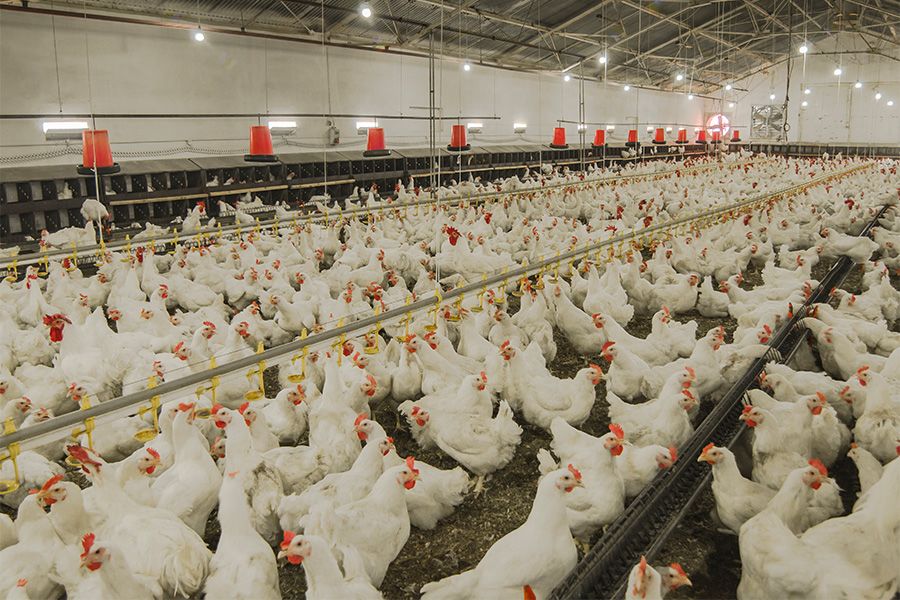
This is the first of the Governor's promised disaster relief bills for the agricultural industry.
This bill looks to exclude tax on the federal relief money farmers receive. Timberland owners receive tax credits up to $400 per acre. There's a sales tax exemption for poultry and livestock producers rebuilding their facilities.
This major relief bill for producers impacted by disasters encourages rebuilding and replanting, especially in the poultry and timber sectors.
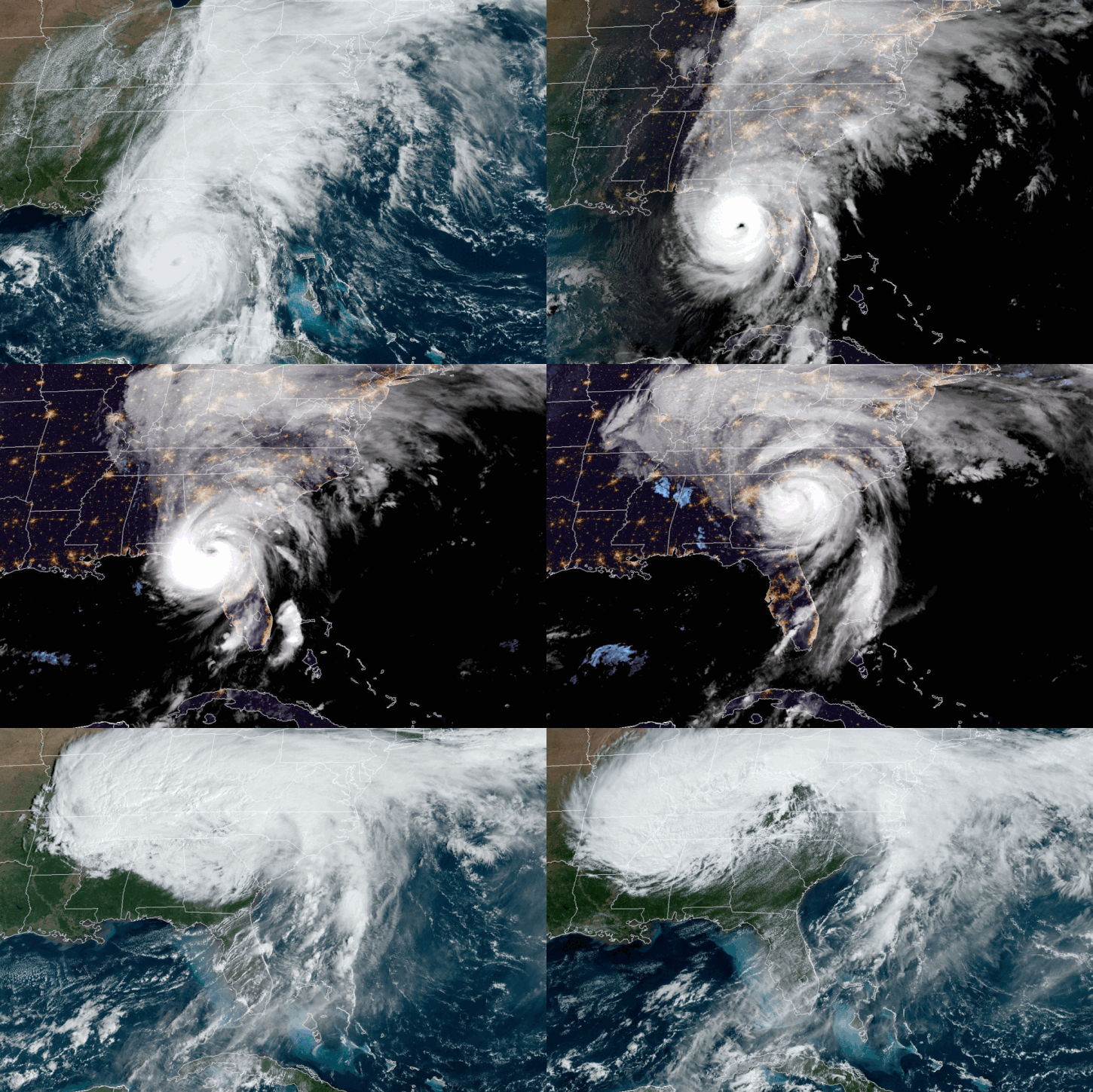
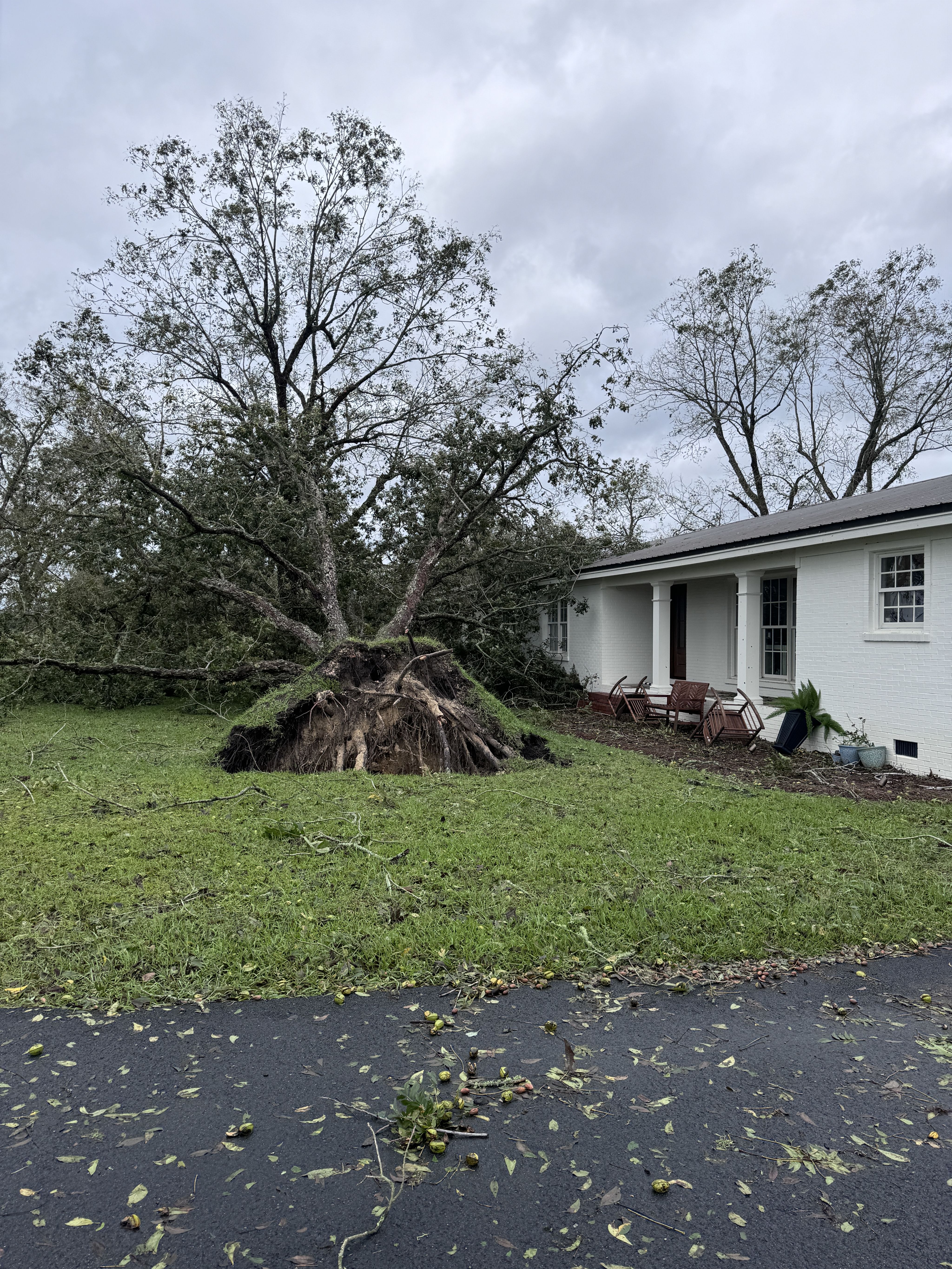
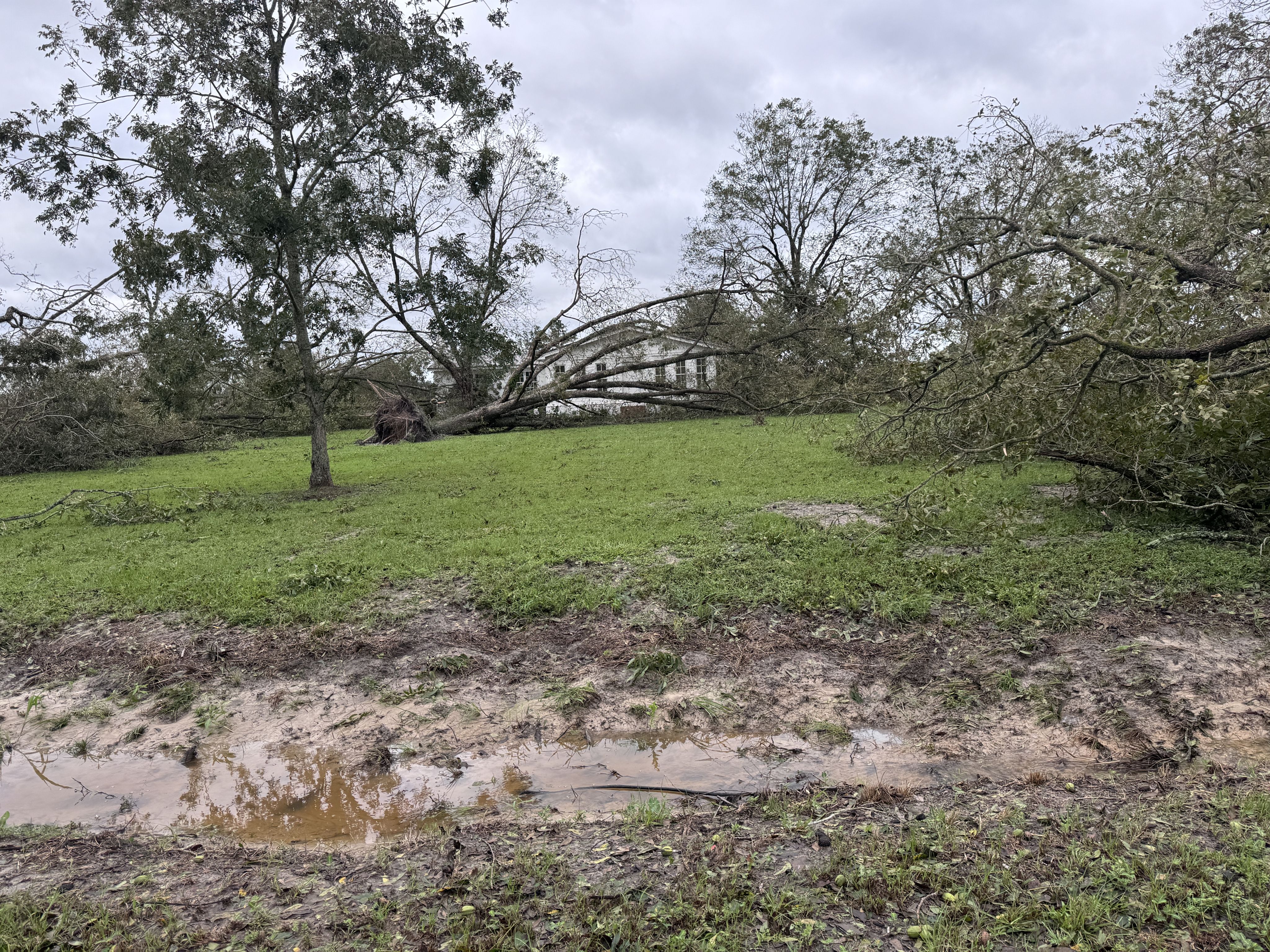
The Georgia Agribusiness Council team supported this bill. It worked to defend and fight for assistance to the agricultural industry after Hurricane Helene, one of the most powerful hurricanes to hit Georgia in years.



SB 201
Senators Walker, Goodman, Hodges, Tillery, Watson, and others:
This bill aims to protect homeowners who are rebuilding after a natural disaster. The bill provides greater legal protection from exploitative contractors, as well as ensuring that repairs are conducted.
Rural residents and farm families recovering from storm damage will benefit from stronger consumer protections.
The bill supports disaster resilience and helps stabilize affected agricultural communities.



GAC MEMBER BENEFITS & SERVICES

- Legislative Monitoring
- Member Events
• Membership Reception & Annual Meeting
• State Legislative Breakfast
• Agribusiness Classic Clay Shoot
• Harvest Celebration
- Georgia Agribusiness Council Foundation
- Publications
• AgOutlook
• Inside Agriculture
- Membership Services
• AgriTrust of Georgia
• AgriHealth of Georgia
• Georgia AgPAC
MEMBER STORY
DONNA STEWART
Owner, Hays-LTI
Legislative Work
Pesticide Labeling
SB 144
Senators Watson, Gooch, Kennedy, Beach, Goodman, and others:
This bill would clarify that pesticide and fertilizer manufacturers are not liable for not including human health warnings outside of those required by the United States Environmental Protection Agency, especially in regard to pesticides.
The Georgia Agribusiness Council led the coalition of legislative leaders and other organizations to ensure reliable access to essential crop protection products for farmers. This bill provides legal clarity for farmers using EPA-approved products, reducing uncertainty about compliance, and ensuring that these products can continue to be used in Georgia.




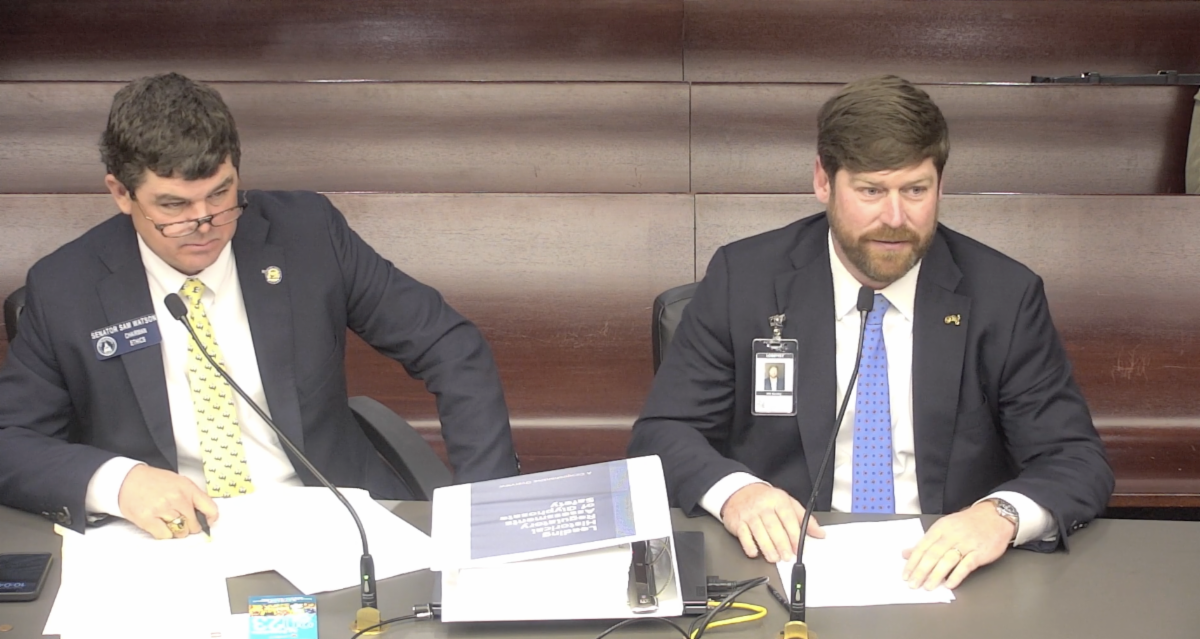
The Georgia Agribusiness Council is your trusted voice for ag in Atlanta.
Advocating for agribusiness, one key issue at a time.
MEMBER STORY
WEYMAN HUNT
Owner, Godfrey's Feed
Legislative Work
Freedom to Farm
HB 1150 - 2022
Reps. Dickey, Watson, England
"Freedom to Farm Act" related to treatment of agricultural facilities and operations and forest land as nuisances, and to limit the circumstances under which agricultural facilities and operations may be sued for a nuisance, relating to treatment of agricultural facilities and operations and forest land as nuisances, so as to provide for legislative intent; to remove a definition; to limit the circumstances under which agricultural facilities and operations may be sued for a nuisance.
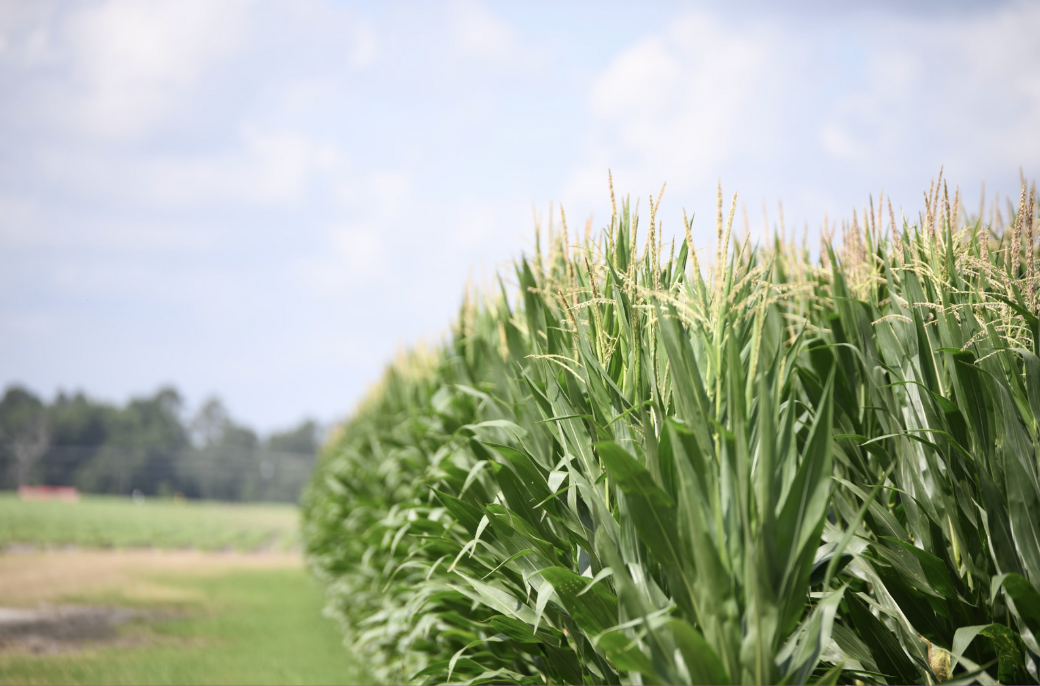
Producers and agribusinesses across Georgia were increasingly vulnerable to nuisance lawsuits for simply engaging in agricultural activities. As metro areas have expanded into rural areas, we are seeing more neighbors who do not understand agricultural practices. Instead of working with their neighbors, they are quick to sue. The Freedom to Farm Act provides protections to ensure that farmers' livelihoods and way of life are protected.



MEMBER STORY
BILL BRIM
President & Owner, Lewis-Taylor Farms
Legislative Work
TAX POLICY
Through partnerships on numerous bills over many years, the Georgia Agribusiness Council has worked to modernize agricultural tax policy to fit the realities of modern agriculture.
A few highlights from 2025 are listed below.
SB 141
Senators Hatchett, Hufstetler, Albers, Kennedy, Anavitarte and others:
This bill proposes several changes to Georgia's tax law. These include an extension of the appeal and protest tax assessment period from 30 days to 45. The bill would also clarify language on final determinations related to federal income tax adjustments.
Longer tax appeal windows give farmers and agribusinesses more flexibility in addressing complex property or income tax issues. It may reduce financial strain for operations.
HB 28
Representative Cannon:
To provide a Homestead exemption of $10,000 from Colquitt County ad valorem taxes.
Reduces tax burdens for rural residents, including farm families, helping retain local land ownership and stability in Colquitt County.
HB 32
Reps. Efstration, Dickey, Hagan, and Buckner:
A bill to increase the max acreage cap of single-owned land from 2,000 acres to 4,000 acres for assessments and taxation.
This bill provides tax relief for farming operations, encouraging land preservation and reinvestment in production agriculture.
HB 90
Reps. Efstration, Dickey, Hagan, and Buckner:
This bill would increase the acreage cap from 2,000 to 4,000 acres for land that is assessed and taxed as a conservation use property.
This bill expands land conservation opportunities and tax relief for larger farms, promoting long-term agricultural viability.
HB 92
Reps. Blackmon, Kelley, Williams, Erwin, Washburn, and others:
A bill relating to the assessment of bona fide conservation use property and bona fide residential transitional property. The bill removes a limitation on leased property for certain entities.
This bill offers flexibility to rural counties managing property tax programs that affect farm and family landowners.
HB 129
Reps. Burchett, Cannon, Dickey, Corbett, Huddleston:
A bill relating to the assessment of bona fide conservation use property and bona fide residential transitional property. The bill removes a limitation on leased property for certain entities.
This bill encourages sustainable land management partnerships between landowners and farmers and expands eligibility for conservation tax benefits.
MEMBER STORY
CHIP BLALOCK
Executive Director, Sunbelt Ag Expo
Legislative Work
ADDITIONAL AGRIBUSINESS EFFORTS


Rural Veterinarian Access
SB 20
Senators Kirkpatrick, Summers, Payne, Anderson, and Parent:
A bill to provide for veterinary school loan repayments for shelter medicine veterinarians as well as veterinarians who practice non-profit pet sterilization. The bill would also create the State Veterinary Education Board for Shelter Medicine and Pet Sterilization to oversee loan repayment programs.
This bill helps to alleviate the shortage of veterinarians serving rural and agricultural areas. Better access to veterinary care supports livestock health, food safety, and biosecurity for Georgia producers.
SB 105
Senators Anavitarte, Watson, Goodman, Echols, Hatchett, and others:
The bill authorizes licensed veterinarians and veterinary technicians within the state of Georgia to provide veterinary teleadvice. It would also create regulations around veterinary telemedicine and allow for teletriage under certain circumstances.
Expanding veterinary telemedicine improves access to animal care in rural areas. This can enhance herd management, disease prevention, and reduce costs for livestock producers.
HB 172
Reps. Huddleston, Efrastation, Dickey, Frye, Ford:
A bill updating the terms and conditions for the student loan forgiveness program for graduates of veterinary school. These terms update qualifications allowed for approval for loan applications, such as length of time practiced, amount of money owed, and other factors, as allowed.
Incentivizes veterinarians to practice in rural or underserved areas, improving livestock care and agricultural productivity.
Tort Reform
Tort reform lowers liability insurance costs for farmers and agribusinesses. Together, these bills help farmers operate with more certainty, reduce legal costs, and focus on growing crops and raising livestock without fear of unpredictable lawsuits.
SB 68
Senators Kennedy, Gooch, Robertson, Anavitarte, Walker, and others:
A bill to revise Georgia law regarding civil practice, damages, and liability in a tort action. The bill is the first legislative action initiative for tort reform.
SB 69
Senators Kennedy, Gooch, Robertson, Anavitarte, Walker, and others:
A bill to regulate outside litigation financing by amending sections of the state banking and finance code. The bill addresses the Governor’s tort reform initiatives in the litigation finance sector.
Truck Weights
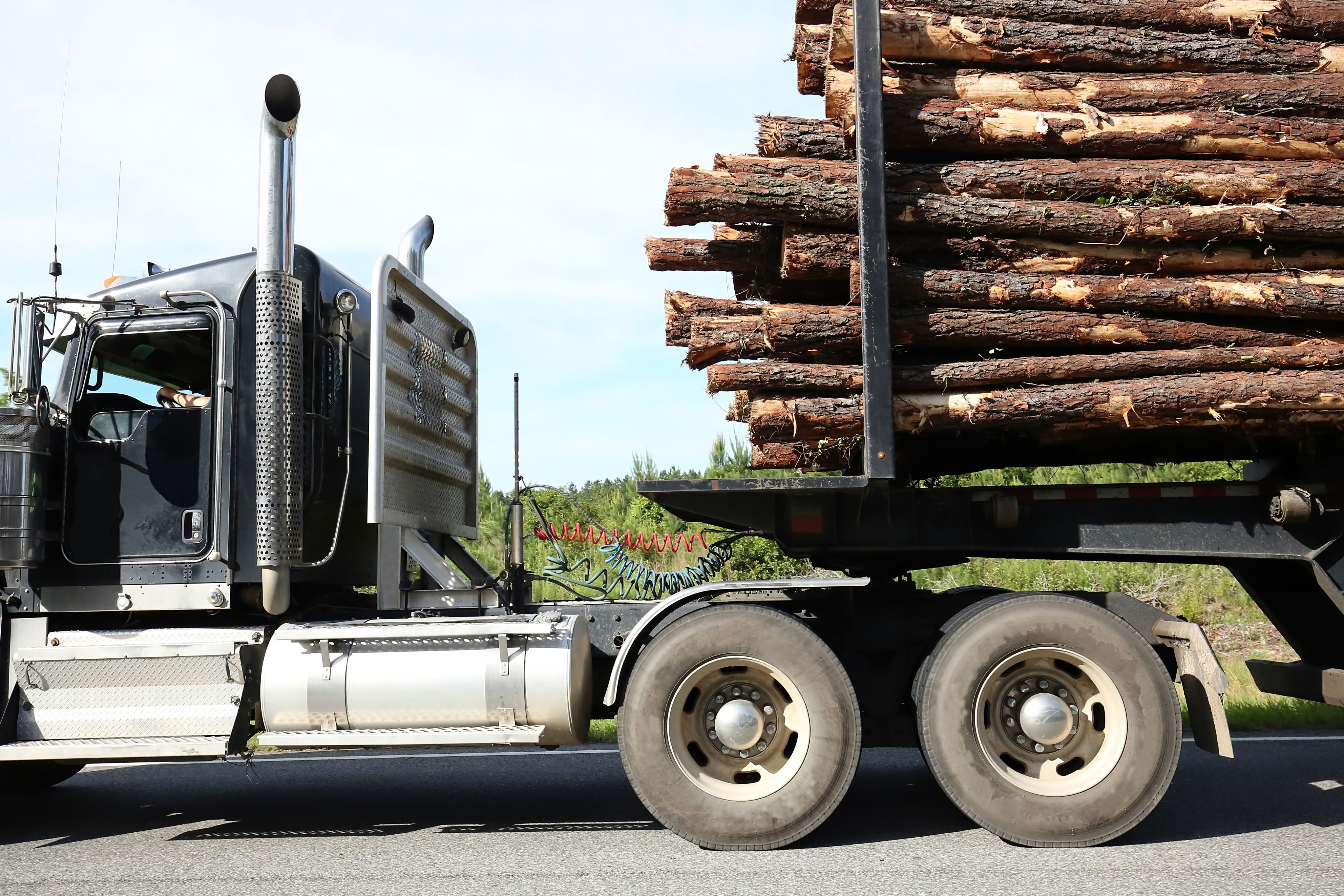
The Georgia Agribusiness Council and a large coalition of agriculture groups worked with the Department of Transportation to find a solution. Extending truck weight flexibility reduces transportation costs for farm goods and forestry products and increases efficiency.
HB 164
Reps. Meeks, Hagan, Buckner, Dickey, Cannon:
A bill repealing the sunset clause on the allowed weight and dimensions of trucks hauling certain commodities through Georgia from certain areas and ranges of the state.
Water Policy
The Georgia Agribusiness Council pushed with other agricultural groups and leaders to work with the Georgia Environmental Protection Division (EPD) to help lift the moratorium on wells in Southwest Georgia. This has helped farmers and producers in the region gain access to irrigation. The Georgia Environmental Protection Division started accepting these new permit applications on April 1, 2025.
HB 143
Reps. Dickey, Smith, Yearta, Greene, Cannon:
A bill to revise provisions regarding water-measuring devices for farm use of surface and groundwater in order to allow more efficient use of shared water.
This bill promotes water conservation and precision agriculture while enhancing data accuracy for irrigation management and water-sharing.
HB 1172
Reps. Burchett, Rhodes, Leverett, Smith, and Williams - 2024
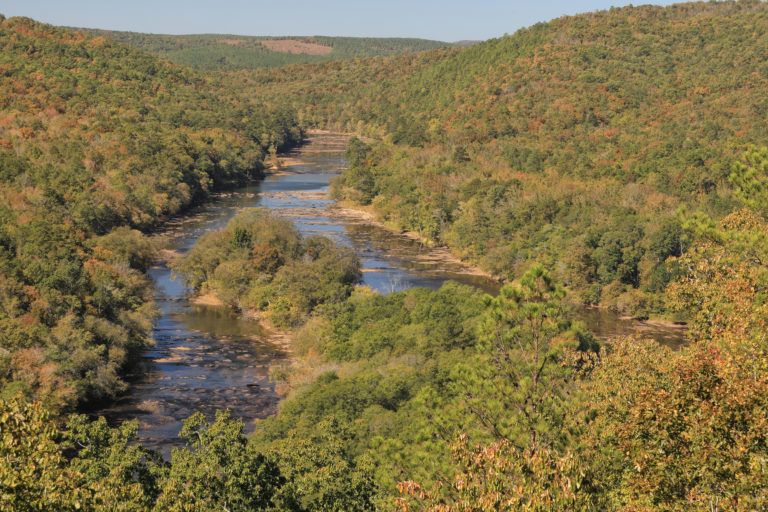
A bill to limit the public’s right of navigable streams to only using water as highways and for hunting and fishing. The public is not permitted to trespass upon privately owned beds.
This bill protects property rights along waterways and reduces liability from unauthorized public access while providing clearer boundaries for managing land and water resources.



MEMBER STORY
TYSON STRICKLAND
Owner and Veterinarian, Custom Livestock Solutions
More GAC Work
Internships

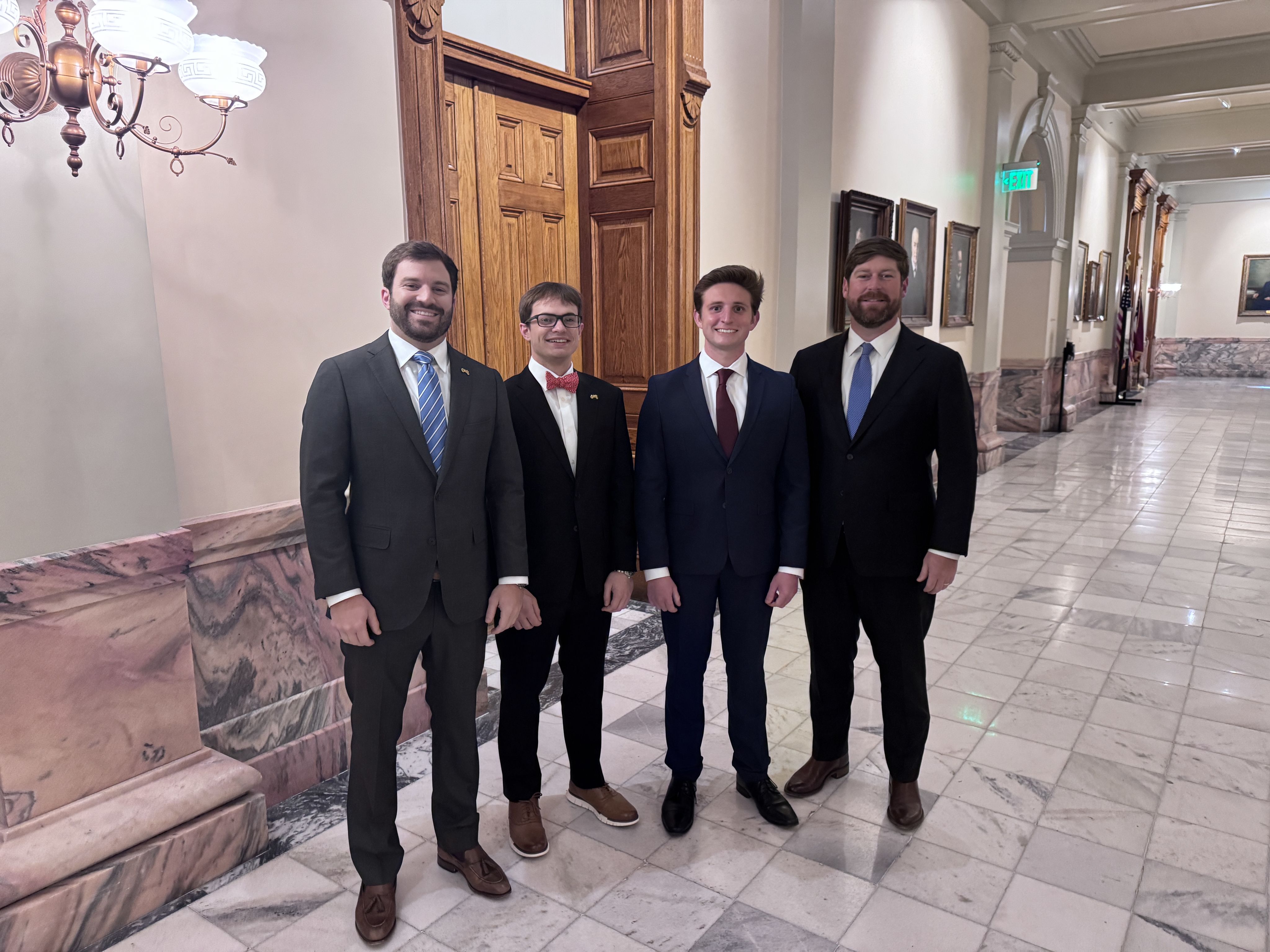
The Georgia Agribusiness Council supports internships and fellowships in Atlanta and Washington D.C.
Scholarships

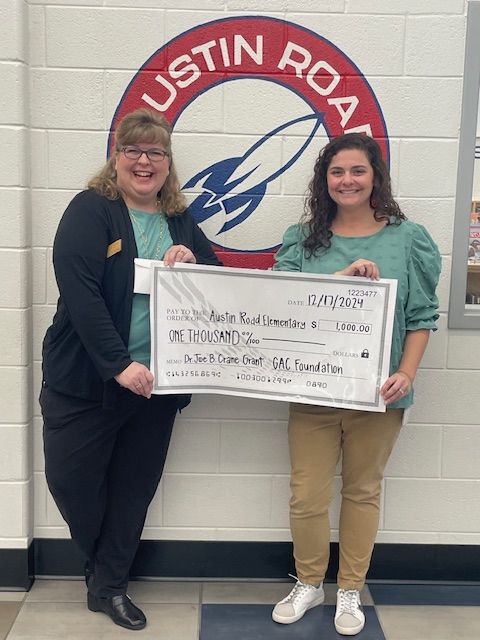
The Georgia Agribusiness Council Foundation provides scholarships to students who fill out the application and meet the criteria set forth by the scholarship committee.
Grants
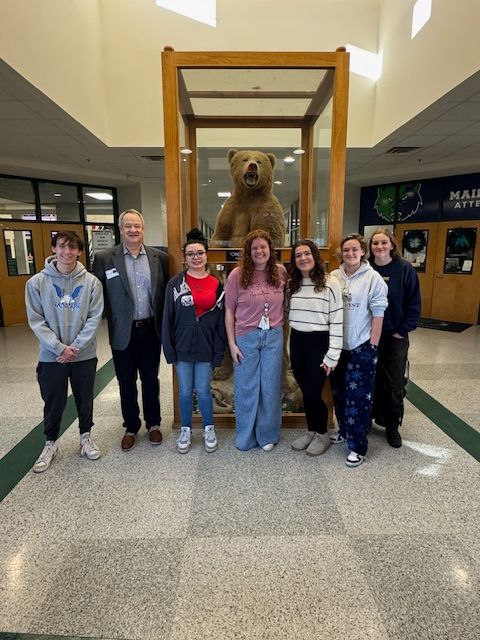
The Georgia Agribusiness Council Foundation provides grants to teachers and programs who fill out the application and meet the criteria set forth by the grant committee.
MEMBER STORY
HEATH WETHERINGTON
COO & CFO, Baker Farms
Owner, H&W Farms
2026 GAC MEMBERSHIP LEVELS
Regular GAC Dues
- Individual Membership: $250
Individuals, Small Farms, Small Ag-Related Businesses - Harvest Membership: $500
Basic membership for agricultural stakeholders, midsize farms, and associated industry - Business Membership: $1,000
Agribusinesses, large farms, local banks, agricultural stakeholders, and others - Industry Membership: $2,500
Local and state-level agribusinesses, regional financial institutions - Ag Champion Membership: $5,000
Statewide, regional, and national agribusinesses, national financial institutions - Ag Leader Membership: $10,000
International agribusinesses - Agribusiness Legacy Membership: $25,000
Any size agribusinesses looking to leave a legacy for agriculture in Georgia and beyond - Junior Agribusiness Membership: $25
College and high school students involved in agriculture - Educator, Extension Agents, Supporters Membership: $75
Trade Associations, Commodity Groups, Universities, and Schools
- Association - Bronze Dues: $500
Membership includes one ticket to the GAC State Legislative Breakfast, a GAC Level One Star Sponsorship - Association - Silver Dues: $1,000
Membership includes one Table Sponsorship at the GAC State Legislative Breakfast, a GAC Level
Two Star Sponsorship - Association - Gold Dues: $2,000
Membership includes two tickets to the GAC Harvest Celebration, one Table Sponsorship at
the GAC State Legislative Breakfast; a GAC Level Three-Star Sponsorship; one ticket to the
GAC Annual Meeting, and a full-page ad in the GAC Membership Directory
AgriTrust Fund Member Categories
FEE BASED ON NUMBER OF EMPLOYEES
- Agribusiness 1-10 Employees: $200
- Agribusiness 11-25 Employees: $275
- Agribusiness 26-50 Employees: $325
- Agribusiness 51-75 Employees: $500
- Agribusiness 76-150 Employees: $1,000
- Agribusiness 151-250 Employees: $1,500
- Agribusiness 251-500 Employees: $2,000
- Agribusiness 501-999 Employees: $3,000
- Agribusiness 1,000+ Employees: $5,000
MEMBER STORY
JACLYN FORD
Owner, Dixon Gin

The Georgia Agribusiness Council has served Georgia's strongest industry since 1966. Agribusiness is Georgia's number #1 industry.
1655 South Elm Street
P.O. Box 119
Commerce, GA 30529
Phone: (706) 336-6830
STAFF
Will Bentley, President
Jake Tench, Director of Gov't Affairs
Jill Hansard, Director of Membership & Business Manager
Rebekah McDowell, Manager of Events & Special Projects
 Built with Shorthand